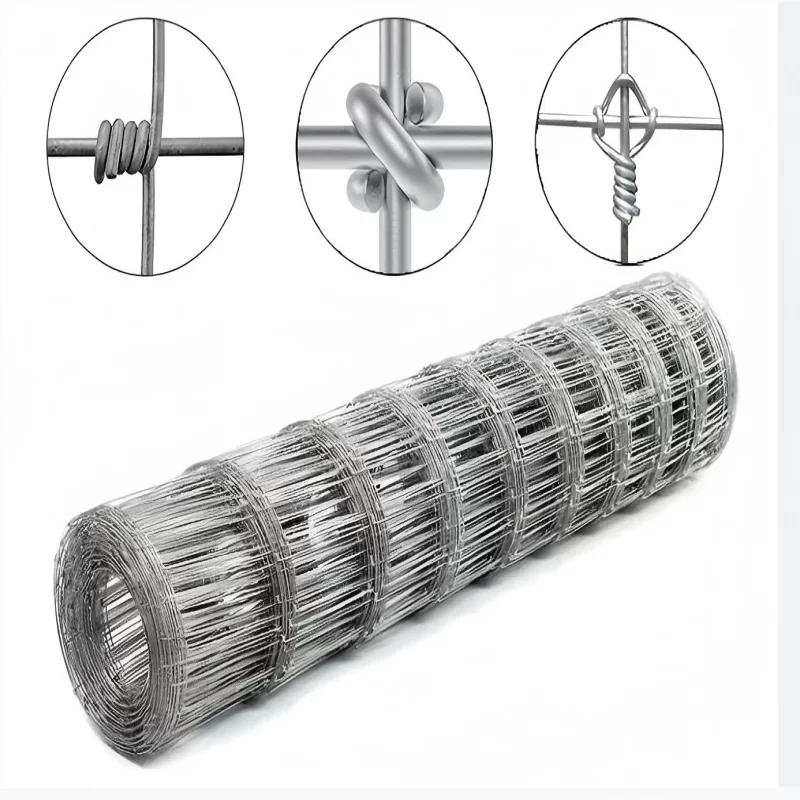
Livestock Fence Panels how to install livestock fence panels Technical Analysis
Securing livestock requires a balance between structural rigidity and rapid deployment. For many ranchers, the challenge isn't just choosing the right material, but understanding how to install livestock fence panels in a way that prevents escapes and withstands animal pressure over several decades.
The shift toward high-tensile steel systems and specialized post profiles has fundamentally changed the economics of farm boundary management. Unlike traditional timber, which suffers from organic decay and requires labor-intensive digging, modern engineered systems focus on direct-drive installation and corrosion-resistant coatings to lower the total cost of ownership.
This guide examines the technical logic behind professional livestock containment, focusing on the integration of graduated mesh and TY post systems to create a sustainable, low-maintenance perimeter.
The Mechanics of Modern Containment
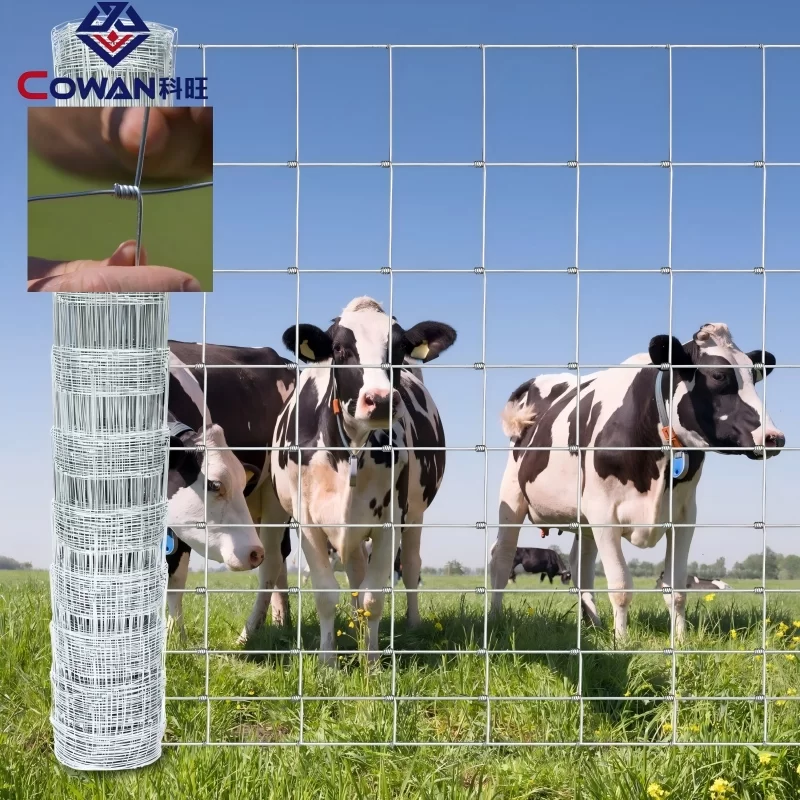
Effective livestock containment is no longer about simply placing a barrier; it is about managing tension and impact. The core objective is to create a boundary that absorbs the kinetic energy of a leaning animal without permanently stretching the wire or dislodging the posts.
This is achieved through the synergy of high-tensile steel and rigid post profiles. By utilizing materials that offer a high strength-to-weight ratio, producers can reduce the number of posts required while increasing the overall stability of the line.
Technical Components of TY Post Systems
The TY post system represents a significant engineering upgrade over traditional circular or square posts. Its T-shaped or Y-shaped profile is specifically designed to provide superior ground-holding capability and lateral rigidity. Because the post is driven directly into the soil, the profile creates a mechanical lock with the earth, eliminating the need for expensive and time-consuming concrete footings.
Supporting the structure is the use of high-tensile woven wire. Unlike standard mild steel, high-tensile wire resists sagging and maintains tension across long distances. When combined with a hot-dip galvanized finish, the entire system becomes virtually immune to the corrosive effects of soil moisture and atmospheric humidity.
From a manufacturing perspective, as seen in the output of Cowan Machinery Manufacturing Co., Ltd., the precision of the roll-forming process and the quality of the zinc coating determine the service life. A consistent galvanized layer ensures that the steel remains rust-free even in aggressive outdoor environments.
The Logic of Graduated Mesh Design
Not all livestock exert pressure on a fence in the same way. Calves, sheep, and goats tend to attempt escapes through the bottom of the fence, while adult cattle apply the most pressure to the upper and middle sections.
Graduated mesh design optimizes security by placing smaller openings at the base to prevent small animal egress and larger openings at the top to maintain visibility and reduce material weight without sacrificing containment strength.
This strategic configuration ensures that the fence is "smart"—providing maximum security where it is most needed while remaining cost-effective. It allows for mixed-herd control, meaning a single fence line can effectively manage cattle, sheep, and goats simultaneously.
Installation Efficiency Metrics
One of the primary drivers for adopting TY post systems is the drastic reduction in labor. When evaluating how to install livestock fence panels, the time spent on post-setting is usually the biggest bottleneck. Direct drive-in methods remove the need for digging holes and mixing concrete.
The following index compares the relative performance of different fencing systems across key operational metrics, where a higher value indicates a more favorable outcome for the producer.
Figure 2. System Performance Comparison Index
Practical Application Scenarios
In a typical industrial agricultural setting, these systems are deployed for rotational grazing. By creating semi-permanent paddocks, farmers can manage pasture recovery more effectively. The flexibility of high-tensile wire allows the fence to follow the contours of rolling hills and uneven terrain without losing tension, a common failure point for rigid concrete or timber systems.
For high-density livestock zones, the structural support of heavy-duty TY posts is critical. These zones experience frequent "high-pressure" animal impact, where livestock lean or rub against the barrier. The galvanized steel's ability to flex slightly and return to its original shape prevents the fence from leaning over time.
Evolution of Perimeter Durability
The industry is moving away from organic materials due to the rising costs of maintenance and the environmental impact of treated lumber. The transition to hot-dip galvanized steel provides a predictable service life that spans decades rather than years.
Modern surface treatments, such as those implemented by Cowan Machinery Manufacturing Co., Ltd., focus on creating a metallurgical bond between the zinc and the steel. This prevents the "peeling" effect seen in lower-quality pre-galvanized products and ensures that edges cut during installation remain protected from rust.
Furthermore, the integration of PLC-controlled precision roll-forming ensures that every panel is identical in dimension. This consistency is vital for large-scale projects where any variation in mesh height or post rigidity could create a weak point in the overall perimeter.
Selection Framework: Steel vs. Timber
When deciding between traditional wooden posts and the TY steel post system, the decision usually comes down to the balance between initial capital expenditure and long-term operational expense. While timber may seem familiar, the hidden costs of replacement and labor often outweigh the initial investment in steel.
A critical evaluation factor is the terrain. In rocky or uneven soil, digging post holes for timber is often impossible or prohibitively expensive. Steel posts, designed for direct drive-in, offer a viable alternative that maintains structural alignment across difficult landscapes.
The following framework provides a relative assessment of these two common approaches to livestock containment.
| Evaluation Factor | Traditional Wooden Posts | TY Steel Post System | Impact on ROI |
|---|---|---|---|
| Installation Speed | Slow (Digging/Setting) | Fast (Direct Drive) | Lower Labor Cost |
| Material Durability | Prone to Rot/Termites | Corrosion-Resistant | Extended Lifespan |
| Maintenance Level | High (Frequent Replace) | Very Low (Galvanized) | Reduced OpEx |
| Structural Stability | Variable/Organic Decay | Consistent Rigidity | Better Containment |
| Terrain Adaptation | Difficult in Rocky Soil | Flexible/Drive-in | Wider Application |
| Long-term Value | Lower (High Life-cycle Cost) | Higher (Low Life-cycle Cost) | Increased Asset Value |
Questions & Answers
TY posts are constructed from high-strength galvanized steel, which eliminates the inherent weaknesses of wood, such as susceptibility to termites, fungal rot, and organic decay. Beyond durability, their T-shaped profile provides superior rigidity and ground-holding capability. Most importantly, they can be installed via direct driving into the ground, which removes the need for digging and concrete, significantly reducing installation time and labor costs for the farmer.
Graduated mesh features smaller openings at the bottom of the panel and larger openings toward the top. This is a functional design: the smaller bottom openings prevent smaller livestock, such as lambs, kids, or calves, from crawling under or through the fence. The larger top openings provide sufficient containment for adult cattle while reducing the overall weight and cost of the material, ensuring a secure boundary for mixed herds without unnecessary expenditure.
Yes, this system is specifically engineered for such environments. The combination of high-tensile steel wire and TY posts allows the fence line to adapt to rolling hills and rocky landscapes. Unlike rigid concrete systems that may crack or shift, the flexible yet strong nature of high-tensile wire maintains constant tension. The direct drive-in nature of the posts makes them much easier to deploy in rocky soil where traditional digging is impractical.
Hot-dip galvanizing involves immersing the steel in molten zinc to create a thick, protective metallurgical layer. This layer acts as a sacrificial anode, preventing oxygen and moisture from reaching the base steel. In humid or rainy climates, this coating is essential as it inhibits the formation of rust and corrosion, extending the service life of the fence by several decades compared to untreated or lightly coated steel.
Absolutely. Rotational grazing requires the ability to create and modify paddocks to manage forage utilization. Because TY posts are easy to install and the high-tensile wire is flexible, this system is ideal for creating both permanent boundaries and semi-permanent internal divisions. It allows ranchers to quickly partition land to optimize pasture recovery and improve overall herd health without investing in permanent concrete infrastructure.
This system is highly versatile and effective for a wide range of livestock. The high-tensile strength of the wire is capable of absorbing the heavy impact and weight of adult cattle and horses. Simultaneously, the graduated mesh spacing manages smaller animals like sheep and goats. This makes it the primary choice for farmers managing mixed-species herds or those requiring a high-security external perimeter.
Final Thoughts
Investing in a professionally engineered fencing system is a strategic decision that impacts both the safety of the livestock and the profitability of the farm. By moving away from high-maintenance organic materials and embracing the efficiency of high-tensile steel and TY posts, producers can secure their boundaries with significantly less labor.
Ultimately, the goal of understanding how to install livestock fence panels is to transition from reactive repairs to a proactive infrastructure strategy. A galvanized, graduated-mesh system provides the reliability needed for modern agricultural management, ensuring long-term durability and peace of mind.
Leave A Comment